If you’ve ever wondered whether another leadership book is actually worth your time, you’re not alone. I’m pretty selective about what I read, and I prefer books that offer substance, not just inspiration. The five leadership books below are ones I consistently recommend because they meet leaders where they are and challenge them to grow in meaningful ways. These aren’t just good reads, they’re books that can change how you lead.
1. Dare to Lead by Brené Brown
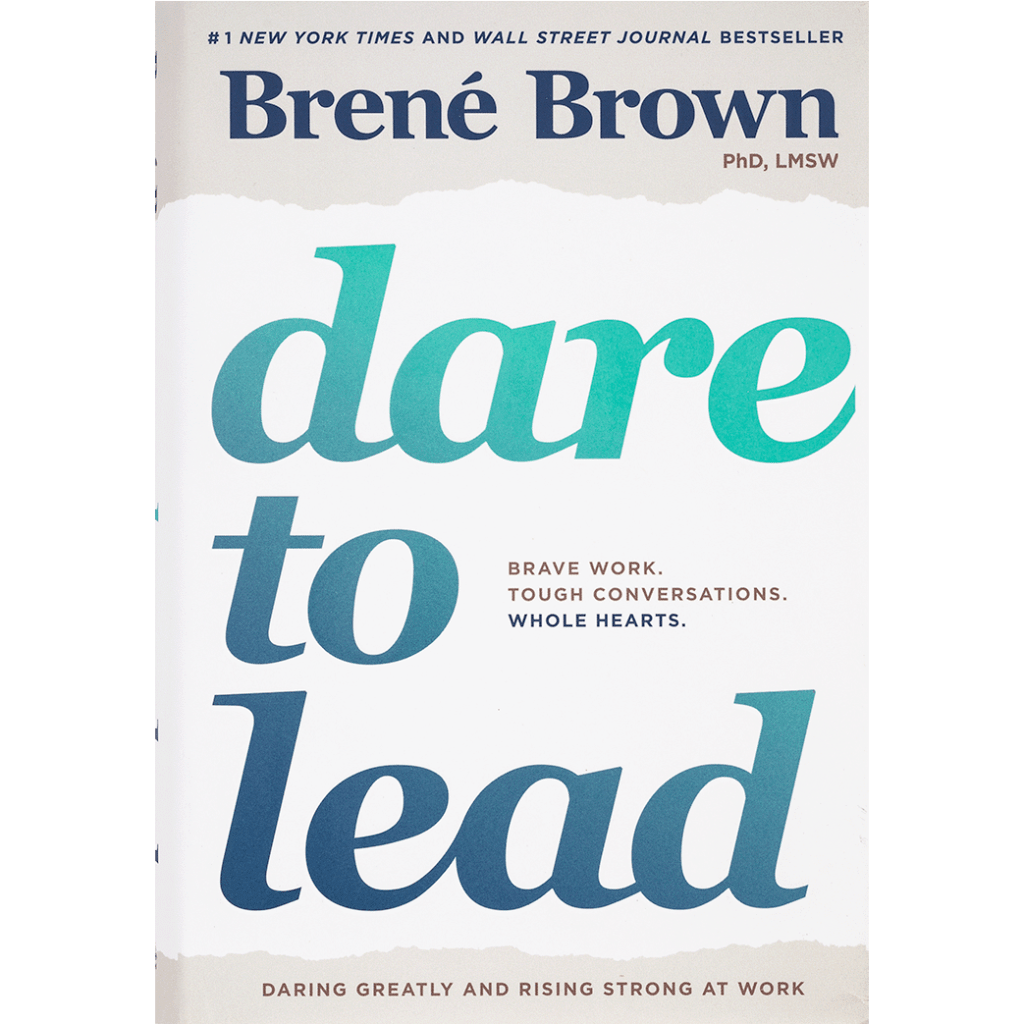
Dare to Lead is about courage—not the absence of fear, but the willingness to lead with clarity, vulnerability, and values even when it’s uncomfortable. Brown reframes vulnerability as a leadership strength and provides practical guidance for building trust, navigating hard conversations, and leading with integrity.
Why it matters: Trust is built in small moments. Leaders who are clear about their values and willing to have brave conversations create stronger, more resilient cultures.
Best for: Leaders focused on culture, change management, and building trust during uncertainty.
2. Bringing out the Best in People by Aubrey Daniels
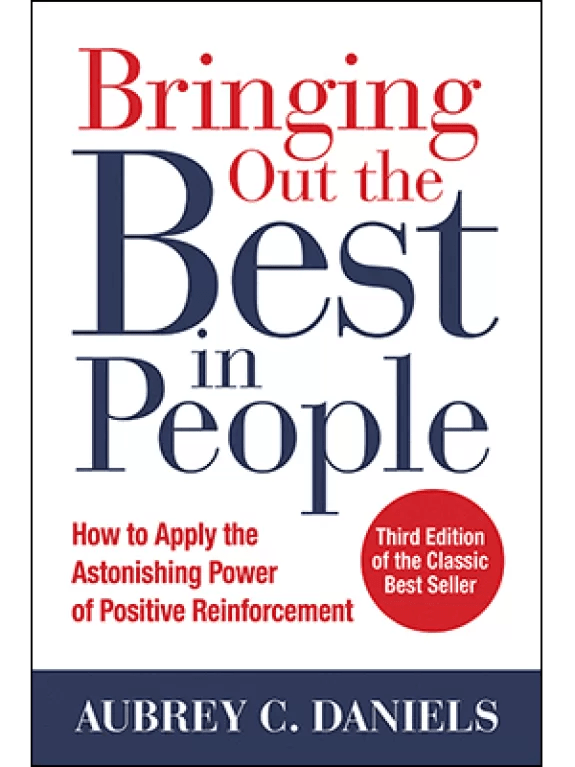
This book offers a behavior-based approach to leadership that cuts through assumptions about motivation and personality. Daniels emphasizes that performance improves when leaders clearly pinpoint critical behaviors and consistently reinforce what they want to see more of.
Why it matters: Results don’t improve by accident. Leaders shape performance through what they intentionally notice, reinforce, and respond to.
Best for: Operational leaders, clinical leaders, and anyone responsible for performance, productivity, or consistency across teams.
3. Radical Candor by Kim Scott
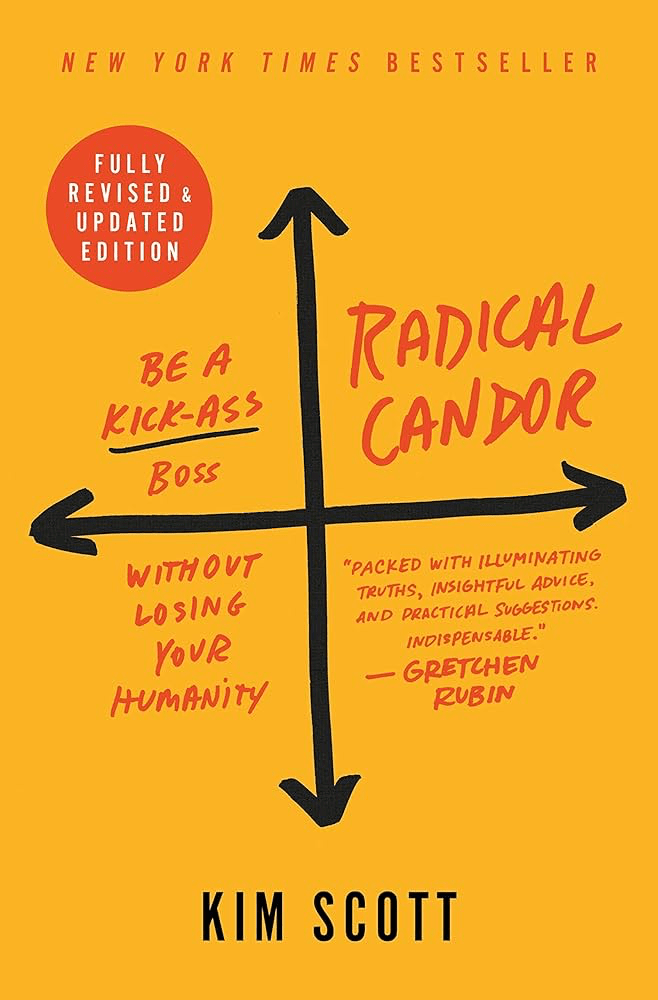
Radical Candor introduces a deceptively simple framework: care personally while challenging directly. Scott provides practical tools for giving feedback that is kind, clear, and actionable—without being passive, harsh, or avoidant.
Why it matters: Avoiding feedback doesn’t protect relationships—it erodes trust. Clarity, delivered with care, strengthens teams and performance.
Best for: Leaders who want to improve communication, accountability, and feedback without damaging relationships.
4. The Fearless Organization by Amy Edmondson
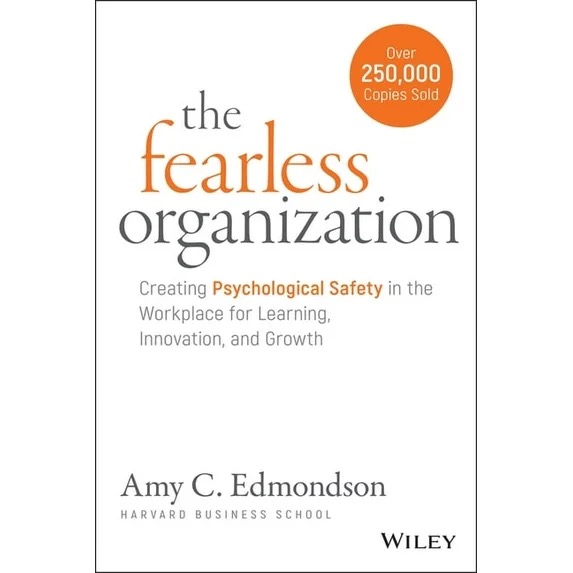
Grounded in extensive research, The Fearless Organization explores psychological safety—the shared belief that it’s safe to speak up, ask questions, and make mistakes in pursuit of learning. Edmondson shows how silence undermines performance and how leaders can create environments that support learning and accountability.
Why it matters: Psychological safety is not about lowering standards; it’s about creating the conditions for learning, improvement, and better outcomes.
Best for: Leaders in healthcare, human services, education, and other high-stakes environments where communication and learning are critical.
5. Start with Why by Simon Sinek
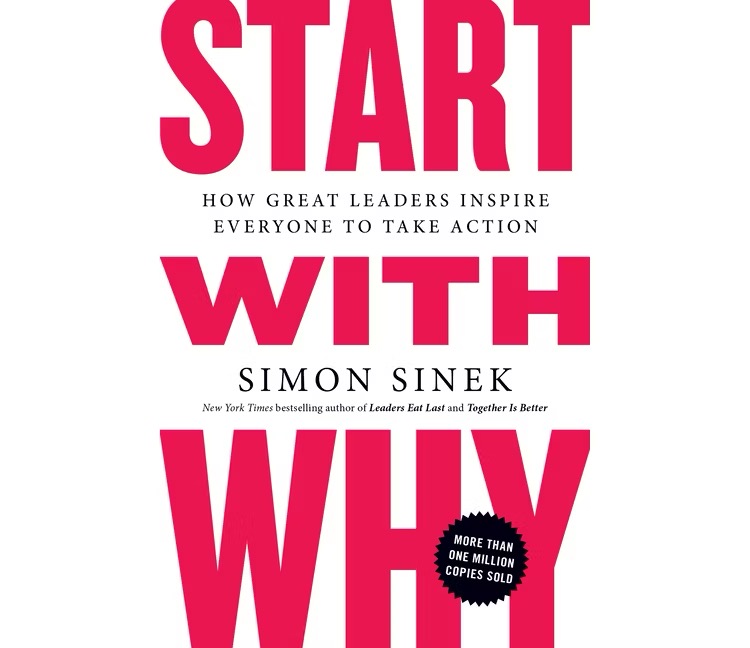
Sinek challenges leaders to rethink how they inspire action by leading with purpose. Using the “Golden Circle,” he explains why organizations that clearly articulate why they exist are better able to align teams, build trust, and sustain momentum.
Why it matters: When people understand the purpose behind the work, engagement deepens and alignment improves.
Best for: Leaders shaping strategy, launching initiatives, or working to reconnect teams to mission and meaning.
Leadership growth doesn’t happen all at once—and it rarely comes from a single book. But the right ideas, encountered at the right time, can shift how we lead in lasting ways. These five books have shaped my thinking, challenged my assumptions, and helped me lead with greater intention. If even one of them sparks reflection or growth for you, it’s worth the time. Leadership isn’t about perfection—it’s about progress.
Lead with heart. Lead with data. Lead with purpose.

 Sentinel Behavioral Consulting
Leave a comment